


Every homeowner dreads the moment when water starts flooding through the ceiling, a pipe bursts in the middle of the night, or a blocked drain backs up into the house. A plumbing emergency doesn't announce itself politely-it arrives suddenly, demands immediate attention, and can cause thousands of dollars in damage if not handled correctly. Understanding how to respond in those critical first minutes makes the difference between a manageable repair and a costly disaster that affects your property, belongings, and daily routine.
Recognising a True Plumbing Emergency
Not every plumbing issue requires an immediate emergency response, but certain situations demand urgent action to prevent serious damage or health risks. Burst pipes, severe leaks, sewage backups, and complete loss of water supply represent genuine emergencies that require professional intervention.
Critical Warning Signs
A plumbing emergency typically involves rapid water discharge, contaminated water, or complete system failure. Burst pipes release water at mains pressure, potentially flooding rooms within minutes. Sewage backups pose immediate health hazards due to bacterial contamination and require specialist handling.
Gas hot water system leaks present additional risks beyond water damage. If you smell gas near your hot water system, evacuate the property, avoid using electrical switches or flames, and contact emergency services before addressing the plumbing issue.

Situations requiring immediate professional response:
- Burst water pipes with uncontrolled flooding
- Sewage or wastewater backing up into the home
- Complete loss of water supply affecting the entire property
- Gas leaks associated with hot water systems
- Major structural water damage in progress
- Water near electrical systems or switchboards
Homes across Botany, Kingsgrove, Mascot and surrounding Sydney suburbs experience these emergencies regularly, often due to ageing infrastructure, tree root intrusion, or extreme weather events. Understanding the difference between urgent and routine issues helps you allocate resources appropriately.
When to Wait for Regular Service
Minor dripping taps, slow drains, or reduced hot water pressure warrant professional attention but don't typically constitute emergencies. These issues can usually wait for normal business hours, potentially saving you emergency callout fees whilst still receiving quality repairs.
However, monitor these seemingly minor problems carefully. A small leak under the sink can deteriorate overnight, and what appears manageable at 6 PM might become a plumbing emergency by midnight.
Immediate Actions During a Plumbing Crisis
The first five minutes of a plumbing emergency determine whether you contain the situation or allow it to escalate. Quick, decisive action protects your property whilst you wait for professional assistance.
Locate and Control the Water Source
Every household member should know where the main water shut-off valve is located and how to operate it. In most Sydney homes, this valve sits near the water metre at the front boundary or where the main line enters the property.
Turn the valve clockwise to stop water flow to the entire house. This single action halts flooding from burst pipes and gives you time to assess damage without water continuing to pour in. Individual fixture shut-off valves (under sinks, behind toilets) allow you to isolate specific problems without cutting water to the whole house. If a toilet is the culprit, our guide to blocked toilet plumber callouts explains when a fault is worth calling about.
| Emergency Type | Primary Shut-off | Secondary Actions |
|---|---|---|
| Burst pipe | Main valve at metre | Open taps to drain remaining water |
| Toilet overflow | Valve behind toilet | Lift float ball in cistern |
| Hot water leak | Hot water system isolation valve | Turn off power/gas to unit |
| Under-sink leak | Cabinet shut-off valves | Place buckets and towels |
Protect Property and Belongings
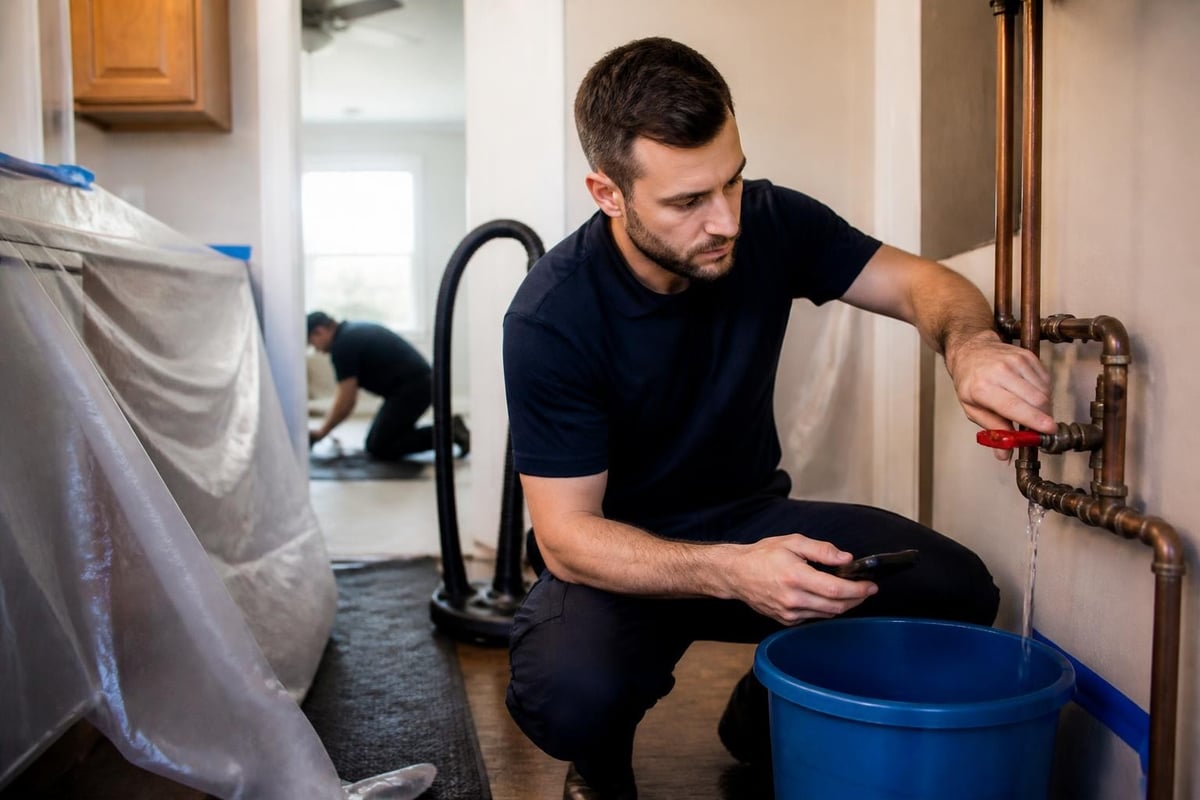
Once water flow is controlled, focus on damage limitation. Move furniture, electronics, and valuable items away from affected areas. Water travels along floors, through ceilings, and down walls, so protect adjacent rooms even if they seem dry initially.
Place towels, buckets, or waterproof barriers to contain spreading water. If water is dripping through a ceiling, poke a small drainage hole at the lowest point to prevent collapse from accumulated weight. This controlled release prevents more extensive structural damage.
Electricity and water create dangerous combinations. If water approaches electrical outlets, switchboards, or appliances, turn off power at the main switchboard. Never attempt to operate electrical equipment whilst standing in water.
The steps for protecting your home during emergencies emphasise safety first, property protection second, and repairs third-a priority sequence that prevents injuries and minimises total damage.
Document the Situation
Before cleaning up, photograph and video the damage from multiple angles. This documentation proves invaluable for insurance claims, showing the extent of the emergency, affected areas, and damaged belongings. Note the time the plumbing emergency began and the sequence of events.
Record metre readings if possible. This information helps identify abnormal water usage patterns and supports claims about the severity of the leak. Keep all receipts related to emergency response, temporary repairs, and professional services.
Common Residential Plumbing Emergencies
Sydney homes experience several recurring plumbing emergencies, each with specific characteristics and appropriate responses. Understanding these common scenarios helps you react effectively when they occur.
Burst Pipes and Major Leaks
Pipe bursts typically result from corrosion, freezing (rare in Sydney but possible during unusual cold snaps), excessive pressure, or physical damage during renovations. Older homes in established suburbs like Kingsgrove often have ageing copper or galvanised steel pipes vulnerable to failure.
A burst pipe releases water at full mains pressure, flooding rooms rapidly. The immediate priority is stopping water flow at the main valve. After shutdown, inspect the damage location if safely accessible-information about the burst location helps plumbers prepare appropriate materials and tools.
Temporary repairs using pipe repair clamps or tape may reduce minor leaks, but burst pipes require professional replacement or repair. Better Flow Plumbing's general plumbing services cover emergency pipe repairs across Sydney, with experienced teams ready to respond when these critical failures occur.
Blocked Drains and Sewage Backups
Severe blockages cause wastewater to back up through floor drains, toilets, or showers. Unlike clean water leaks, sewage backups pose serious health risks due to bacterial contamination and require careful handling.
Immediate sewage backup response:
- Stop using all water fixtures to prevent additional backup
- Keep children and pets away from contaminated areas
- Wear protective gloves if contact is necessary
- Ventilate the area by opening windows
- Contact professional plumbers immediately
Never attempt to clear serious sewage blockages yourself. Professional equipment and expertise are essential for safely resolving these emergencies whilst preventing cross-contamination throughout your plumbing system. The risks outlined in backflow prevention guidelines demonstrate why professional intervention is necessary for sewage-related emergencies.
Hot Water System Failures
Complete hot water system failure isn't always an emergency unless accompanied by leaks, flooding, or gas issues. However, a leaking hot water system can discharge hundreds of litres, causing significant property damage.
Hot water units typically have a pressure and temperature relief valve that may discharge water if internal pressure builds excessively. Regular discharge indicates a fault requiring immediate professional assessment. Continuous flooding from the unit demands emergency shutdown and repair.
For electric systems, switch off power at the circuit breaker. For gas systems, turn off the gas supply valve. Then isolate the cold water inlet valve to stop water entering the tank. These steps prevent further damage whilst awaiting professional repairs.
Professional Emergency Response
When a plumbing emergency exceeds your ability to manage it safely or effectively, professional assistance becomes essential. Understanding what to expect from emergency plumbing services helps you prepare and ensures efficient resolution.
What Emergency Plumbers Provide
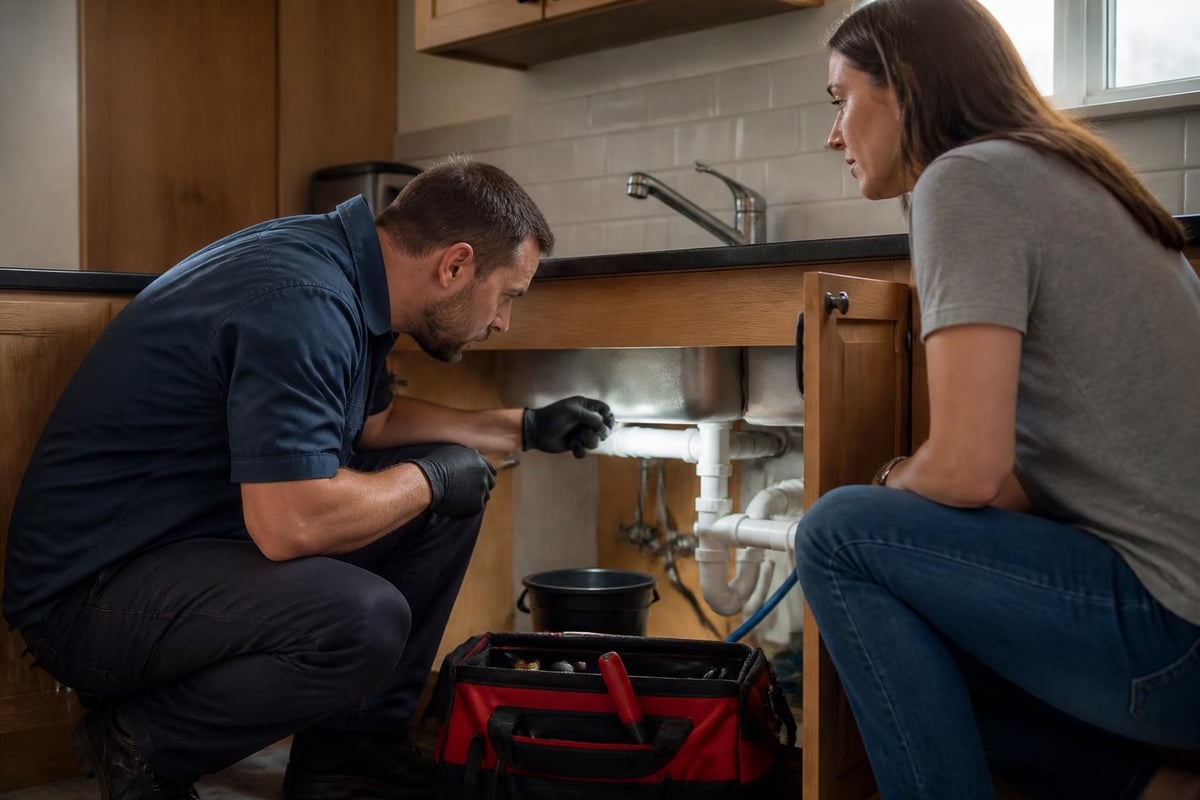
Licensed emergency plumbers arrive equipped to diagnose, contain, and repair urgent plumbing failures. They carry specialised tools, replacement parts, and diagnostic equipment not available to homeowners, enabling them to resolve issues that temporary fixes cannot address.
Emergency services typically include:
- Immediate leak and flood containment
- Pipe repairs and emergency replacements
- Drain clearing and sewage backup resolution
- Hot water system emergency repairs
- Temporary solutions to restore essential services
- Damage assessment and repair recommendations
Reputable emergency plumbers prioritise stopping active damage first, then focus on restoring functionality. They explain the problem, outline repair options, and provide transparent pricing before proceeding with permanent repairs.
Choosing Emergency Services Wisely
Not all emergency plumbing services deliver equal quality or value. During a crisis, the temptation to call the first number you find can lead to overcharging or substandard work. Where possible, contact established local companies with proven reputations.
| Service Indicator | Reliable Provider | Warning Signs |
|---|---|---|
| Licensing | Displays current licence number | Cannot provide licence details |
| Pricing | Clear quotes before work | Vague estimates, pressure tactics |
| Response time | Realistic arrival window | Unrealistic promises |
| Communication | Explains problems and solutions | Dismissive or unclear responses |
| Guarantees | Written warranties on repairs | No guarantee offered |
Established Sydney companies understand local plumbing systems, council requirements, and common issues affecting specific suburbs. This local expertise results in faster, more effective emergency responses tailored to Sydney's unique infrastructure and building characteristics.
The International Plumbing Code standards provide a framework for professional plumbing work, ensuring repairs meet safety requirements and long-term reliability standards. Reputable emergency plumbers follow these code requirements even during urgent repairs.
Preventing Future Plumbing Emergencies
Whilst some plumbing emergencies result from unpredictable failures, many are preventable through regular maintenance, proactive inspections, and addressing minor issues before they escalate. Strategic prevention significantly reduces your emergency risk.
Regular Maintenance Schedules
Preventive maintenance identifies vulnerable components before they fail catastrophically. Annual professional inspections examine pipes, fixtures, hot water systems, and drainage for early warning signs like corrosion, minor leaks, or deteriorating seals.
Essential maintenance tasks:
- Annual hot water system servicing and pressure relief valve testing
- Quarterly visual inspection of exposed pipes for corrosion or damage
- Six-monthly drain cleaning to prevent blockage buildup
- Yearly replacement of washing machine hoses (burst hoses cause frequent floods)
- Regular leak checks under sinks, around toilets, and near fixtures
- Tree root management near drainage lines in suburbs with established gardens
Homes in areas like Botany and Mascot, where older infrastructure is common, benefit particularly from proactive maintenance programmes that catch age-related deterioration before emergency failures occur.
Strategic Upgrades and Improvements
Replacing ageing components before they fail eliminates many emergency scenarios. If your hot water system exceeds ten years, pipes show surface corrosion, or fixtures require increasingly frequent repairs, planned replacement prevents emergency situations.
Modern materials and fixtures offer improved reliability compared to older installations. Flexible connectors reduce burst risks, quality fixtures last longer with less maintenance, and modern hot water systems include enhanced safety features that prevent common failure modes.
Consider upgrades that provide early warning systems. Water leak detectors alert you to unusual moisture, automatic shut-off valves stop flow when leaks are detected, and smart sensors monitor water usage patterns to identify hidden leaks before they cause emergencies.
The plumbing code requirements covering modern installations incorporate lessons learned from decades of emergency responses, ensuring new work reduces future emergency risks through improved materials, installation practices, and safety features.
Knowledge and Preparation
Household preparedness transforms potential emergencies into manageable incidents. Ensure every adult in your home knows valve locations, shut-off procedures, and emergency contact numbers. Practice these procedures during calm moments so stress doesn't impair decision-making during actual emergencies.
Maintain a basic plumbing emergency kit containing:
- Adjustable wrench for operating valves
- Pipe repair tape and clamps
- Bucket and absorbent towels
- Torch with fresh batteries
- Plumber's contact information
- Water metre key if required for your system
Label shut-off valves clearly so anyone can locate and operate them quickly. In homes with complex plumbing systems, create a simple diagram showing valve locations, hot water system controls, and metre locations. This information proves invaluable during emergencies when stress impairs memory and decision-making.
Understanding Insurance and Emergency Costs
Plumbing emergencies often trigger insurance claims, and understanding your coverage helps you navigate the aftermath effectively. The intersection between emergency response costs, repair expenses, and insurance coverage can be complex, requiring careful documentation and clear communication.
Insurance Coverage Considerations
Most home and contents insurance policies cover sudden, accidental water damage but exclude damage from long-term neglect or lack of maintenance. A burst pipe flooding your home typically qualifies for coverage, whilst damage from a slow leak you ignored for months may not.
Review your policy's specific inclusions and exclusions regarding plumbing emergencies. Some policies cover emergency plumber callout fees, whilst others only cover subsequent repairs. Understanding these details before an emergency helps you make informed decisions during the crisis.
Typical insurance coverage patterns:
- Sudden pipe bursts and flooding: Usually covered
- Storm-related plumbing damage: Generally covered with storm cover
- Gradual leaks and maintenance issues: Typically excluded
- Emergency callout fees: Varies by policy
- Temporary accommodation during repairs: Often included in comprehensive policies
Document everything thoroughly from the moment you discover the plumbing emergency. Photographs, videos, receipts, and written timelines support your claim and demonstrate the emergency nature of the situation, clearly distinguishing it from neglected maintenance issues.
Managing Emergency Costs
Emergency plumbing services command premium pricing due to after-hours availability, rapid response requirements, and the specialised expertise needed to resolve urgent failures safely. Understanding typical cost structures helps you budget appropriately and identify unreasonable pricing.
Legitimate emergency surcharges reflect the genuine additional costs of maintaining 24/7 availability, but reputable companies remain transparent about pricing structures. Request quotes before authorising work when possible, and ensure you receive written confirmation of agreed prices.
Some situations require immediate action regardless of cost-stopping active flooding prevents damage that far exceeds emergency service fees. However, once the immediate crisis is contained, you can often schedule permanent repairs during regular hours at standard rates, reducing total costs whilst maintaining safety.
Sydney-Specific Plumbing Considerations
Sydney's unique geography, infrastructure, and climate create specific plumbing vulnerabilities that affect emergency frequencies and types. Understanding these local factors helps residents across Botany, Kingsgrove, Mascot and surrounding areas prepare appropriately.
Infrastructure and Age-Related Issues
Many Sydney suburbs feature housing stock dating from the mid-20th century, with original plumbing systems approaching or exceeding their design lifespan. Copper pipes from the 1960s and 1970s now show age-related deterioration, whilst early PVC installations may have become brittle.
Established areas like Kingsgrove contain mature trees whose roots persistently seek water sources, infiltrating drainage lines and sewer connections. This creates recurring blockage risks and occasional pipe damage requiring emergency intervention. Regular inspections identify root intrusion before it causes complete blockages or pipe collapse.
Sydney's water pressure varies significantly across the network, with some areas experiencing high pressure that stresses ageing pipes. Pressure-reducing valves protect your plumbing system, reducing burst risks and extending fixture lifespan.
Weather and Seasonal Factors
Whilst Sydney's temperate climate prevents the frozen pipe emergencies common in colder regions, protecting pipes during unusual cold snaps remains relevant during exceptional weather events. Brief exposure to temperatures below freezing can damage outdoor taps, irrigation systems, and exposed pipes.
Heavy rainfall events stress drainage systems, particularly in low-lying areas near Botany Bay where stormwater management is critical. Existing drainage weaknesses manifest as emergencies during intense storms when systems are overwhelmed. Proactive drainage maintenance reduces flood risks during Sydney's occasional extreme weather.
Summer heat stresses hot water systems, particularly older units. Increased water temperature differential and higher usage patterns during warm months can trigger relief valve discharge or accelerate existing weaknesses into failures requiring emergency response.
Local Regulatory Environment
Sydney plumbers operate under NSW regulatory frameworks incorporating both state requirements and local council specifications. Emergency repairs must still comply with plumbing codes, and subsequent inspections verify that urgent work meets necessary standards.
Understanding these requirements helps you verify that emergency plumbers provide code-compliant solutions rather than quick fixes that create future problems. Reputable services explain how their emergency repairs meet regulatory requirements whilst addressing your immediate crisis.
For more information about current plumbing standards and compliance, visit Better Flow Plumbing to learn how experienced professionals navigate emergency situations whilst maintaining code compliance and long-term reliability.
When Minutes Matter
The critical nature of plumbing emergencies demands decisive action informed by preparation and knowledge. From the initial moments when you discover flooding to the completion of professional repairs, each decision impacts the ultimate outcome and total cost.
Understanding the difference between true emergencies and urgent-but-manageable issues helps you allocate resources appropriately. Knowing immediate response procedures-shutting off water, protecting property, documenting damage-minimises harm whilst you arrange professional assistance. Selecting qualified, reputable emergency plumbers ensures your crisis is resolved effectively rather than temporarily patched.
Prevention remains more cost-effective than emergency response. Regular maintenance, strategic upgrades, and household preparedness dramatically reduce your emergency risk whilst extending your plumbing system's overall lifespan. When emergencies do occur despite precautions, insurance documentation and clear communication protect your interests throughout the resolution process.
Sydney's specific characteristics-ageing infrastructure in established suburbs, local weather patterns, and regulatory requirements-shape the emergency landscape for residents across Botany, Kingsgrove, Mascot and surrounding areas. Local expertise matters when seconds count and decisions carry significant consequences.
The practical emergency response guidance available from trusted sources provides valuable preparation information, but nothing replaces professional assessment and intervention during genuine emergencies. Understanding when to act independently and when to call experts distinguishes manageable situations from potential disasters.
Preparedness, swift action, and professional expertise combine to minimise damage and restore functionality when plumbing emergencies strike your Sydney home. Whether you're dealing with a burst pipe in the middle of the night, sewage backup threatening your property, or a failing hot water system, having the right response plan and trusted professionals makes all the difference. Contact Better Flow Plumbing for reliable emergency plumbing services backed by over 25 years of experience serving Sydney homes with quality workmanship and honest advice when you need it most.


