


A plumbing leak might seem like a minor inconvenience, but left unaddressed, it can lead to significant property damage, wasted water, and costly repairs. Whether it's a dripping tap, a hidden pipe leak behind walls, or a slow leak under the kitchen sink, understanding how to identify and address these issues promptly is essential for Sydney homeowners. With water costs rising and environmental concerns at the forefront, detecting and repairing leaks has never been more important. This comprehensive guide explores the causes, detection methods, repair approaches, and prevention strategies to help you protect your home and maintain an efficient plumbing system.
Common Causes of Household Plumbing Leaks
Understanding why leaks occur is the first step toward preventing them. Several factors contribute to plumbing failures in residential properties across Sydney suburbs including Botany, Kingsgrove, and Mascot.
Ageing Infrastructure represents one of the most prevalent causes. Homes built before the 1990s often contain galvanised steel or copper pipes that deteriorate over time. Corrosion weakens pipe walls, eventually creating pinhole leaks or larger ruptures. In older Sydney properties, original plumbing installations may have exceeded their expected lifespan.
Material and Installation Factors
The quality of materials and installation workmanship directly impacts leak probability. Poor soldering on copper joints, improperly tightened fittings, or substandard materials can fail within years of installation. According to the International Code Council’s 2024 International Plumbing Code, updated standards now emphasise proper installation techniques and material specifications to reduce leak incidents.
Water pressure issues also contribute significantly. Excessive water pressure (above 550 kPa) places unnecessary stress on pipes, joints, and fixtures. Conversely, pressure fluctuations can cause joints to loosen over time. Temperature variations, particularly in Sydney's climate where winter temperatures occasionally drop below 10°C, can cause pipes to contract and expand, weakening connections.
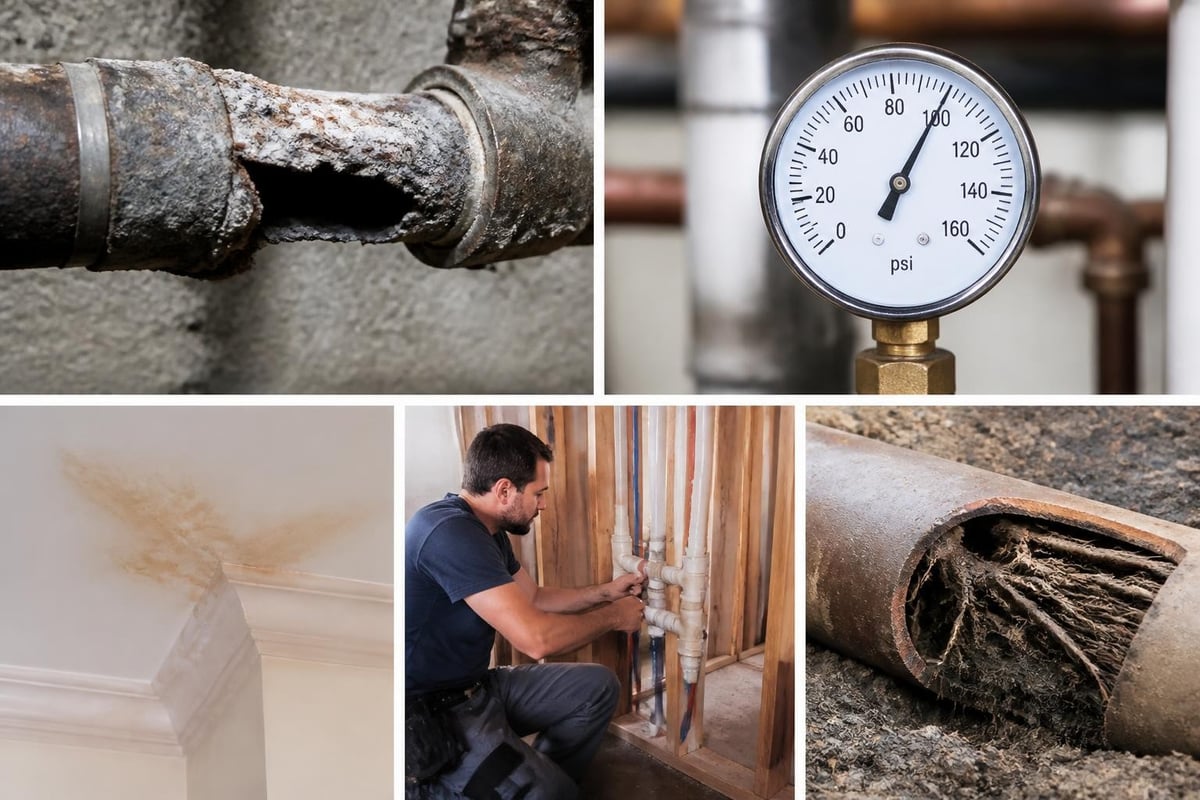
Environmental factors play a role too:
- Tree root intrusion into underground pipes seeking moisture
- Ground movement or soil subsidence affecting pipe alignment
- External damage from renovations or landscaping work
- Chemical reactions between water composition and pipe materials
Fixture wear and deterioration affects taps, toilets, and appliances. Washers, O-rings, and seals degrade with use, particularly in hard water areas. A worn washer in a kitchen tap might seem trivial, but it can waste thousands of litres annually. The EPA WaterSense program estimates that household leaks can waste nearly 38,000 litres of water per year in an average home.
Identifying Hidden and Visible Leaks
Early detection minimises damage and repair costs. Some leaks announce themselves immediately, whilst others remain hidden for months or years.
Obvious Warning Signs
Visible leaks are the easiest to identify. Dripping taps, water pooling under sinks, or damp patches on walls provide clear evidence. However, many homeowners overlook subtle indicators that suggest hidden problems.
Your water meter provides valuable diagnostic information. Turn off all water-using appliances and fixtures, then check your meter. If it continues moving, water is escaping somewhere in your system. Record the meter reading, wait two hours without using water, then check again. Any change indicates a leak requiring investigation.
Ceiling and wall indicators often reveal concealed pipe leaks:
- Water stains or discolouration spreading across ceilings or walls
- Peeling paint or bubbling wallpaper
- Soft spots or bulging areas in plasterboard
- Musty odours suggesting mould growth
- Visible mould or mildew patches
In bathrooms and kitchens, check beneath sinks and around toilet bases. A plumbing leak from supply lines often creates water damage to cabinetry before becoming visible. Warped or discoloured cabinet floors indicate chronic moisture exposure.
Advanced Detection Techniques
For leaks within walls, under concrete slabs, or in buried pipes, professional detection methods become necessary. Better Flow Plumbing's Leak Detection and Repairs service utilises specialised equipment to pinpoint leak locations without destructive investigation.
Acoustic leak detection employs sensitive listening devices that identify the sound of water escaping pressurised pipes. The Department of Energy’s guide to distribution system leak detection explains how acoustic sensors can locate leaks through various materials, providing precise location data.
| Detection Method | Best For | Accuracy | Cost Range |
|---|---|---|---|
| Visual inspection | Accessible pipes, fixtures | Moderate | Low |
| Water meter monitoring | Whole-system screening | Good | Free |
| Acoustic detection | Pressurised pipes, walls | High | Moderate |
| Thermal imaging | Concrete slabs, wet areas | Very High | High |
| CCTV inspection | Drain and sewer lines | Excellent | Moderate-High |
Thermal imaging cameras detect temperature variations caused by water leakage. Cold water leaks create cooler areas on surfaces, whilst hot water leaks register as warmer zones. This non-invasive technology proves particularly effective for slab leaks in properties throughout Mascot and surrounding suburbs.
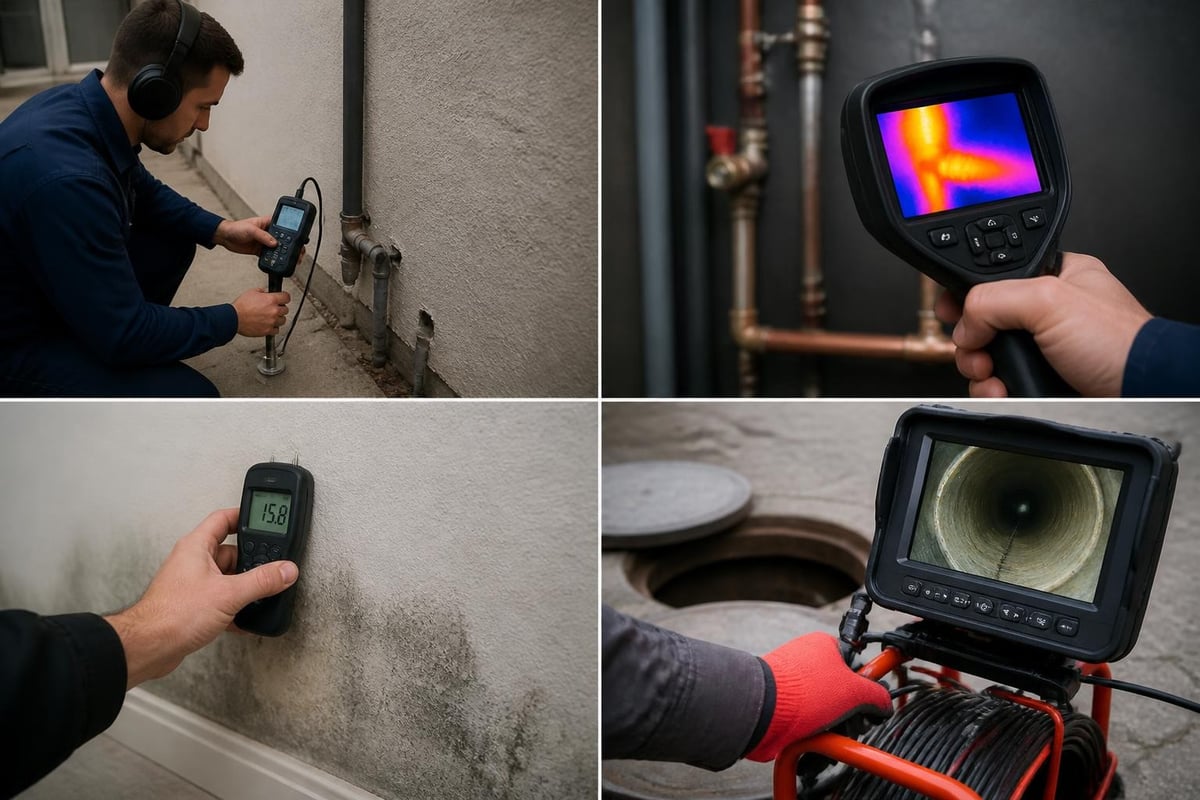
Smart home technology has transformed leak detection. Modern systems use flow sensors, moisture detectors, and automatic shut-off valves. The EPA’s technical guide on leak detection products details how these devices monitor water consumption patterns, alerting homeowners to unusual flow that may indicate leaks.
Immediate Actions When Discovering a Leak
Quick response limits water damage and reduces repair complexity. The severity of your response depends on the leak's magnitude and location.
Emergency Response Steps
For major leaks or burst pipes, immediate action is critical:
- Shut off the water supply at the affected fixture or, for larger leaks, at the main water shutoff valve
- Turn off electricity in affected areas if water contacts electrical outlets or appliances
- Document damage with photographs for insurance purposes
- Remove standing water using mops, towels, or a wet-dry vacuum
- Move furniture and belongings away from affected areas
Contact a qualified plumber immediately for emergency repairs. Delaying professional assistance often transforms a simple pipe repair into extensive water damage restoration requiring involvement of specialists following the ANSI/IICRC S500 Standard for Professional Water Damage Restoration.
For minor leaks, such as a dripping tap, temporary measures can prevent waste whilst you arrange repairs. Place a container beneath the drip, and turn off the supply valve if accessible. However, even minor leaks warrant prompt professional attention, as they typically worsen over time.
Water Damage Mitigation
Even small leaks can cause significant damage if water accumulates over time. Mould growth begins within 24-48 hours in damp conditions, creating health risks and requiring specialised remediation.
Increase ventilation in affected areas by opening windows and using fans. Dehumidifiers extract moisture from the air, preventing mould development. Remove wet materials like carpets, rugs, and furniture cushions to dry separately. If ceiling materials have become saturated, they may need replacement even after the leak is repaired.
Insurance considerations matter. Most homeowners policies cover sudden, accidental water damage but exclude gradual leaks or maintenance issues. The National Association of Insurance Commissioners’ guidance on homeowners insurance clarifies coverage parameters. Document everything from discovery through repair for potential claims.
Professional Repair Approaches
Repair methods vary based on leak location, cause, and severity. Professional plumbers assess each situation to determine the most effective and economical solution.
Fixture and Joint Repairs
Simple leaks often stem from worn components. Tap washers, O-rings, and cartridges deteriorate with use and require periodic replacement. These repairs are straightforward and cost-effective when addressed promptly.
Leaking joints may need re-soldering or fitting replacement. Compression fittings can loosen over time, particularly if subjected to vibration or movement. Tightening or replacing these connections typically resolves the issue without extensive work.
For toilet leaks, the wax ring seal between the toilet base and drain pipe commonly fails. Water pooling around the toilet base or a persistent sewage odour indicates this problem. Replacement requires removing the toilet, installing a new wax ring, and properly reseating the fixture.
Pipe Section Replacement
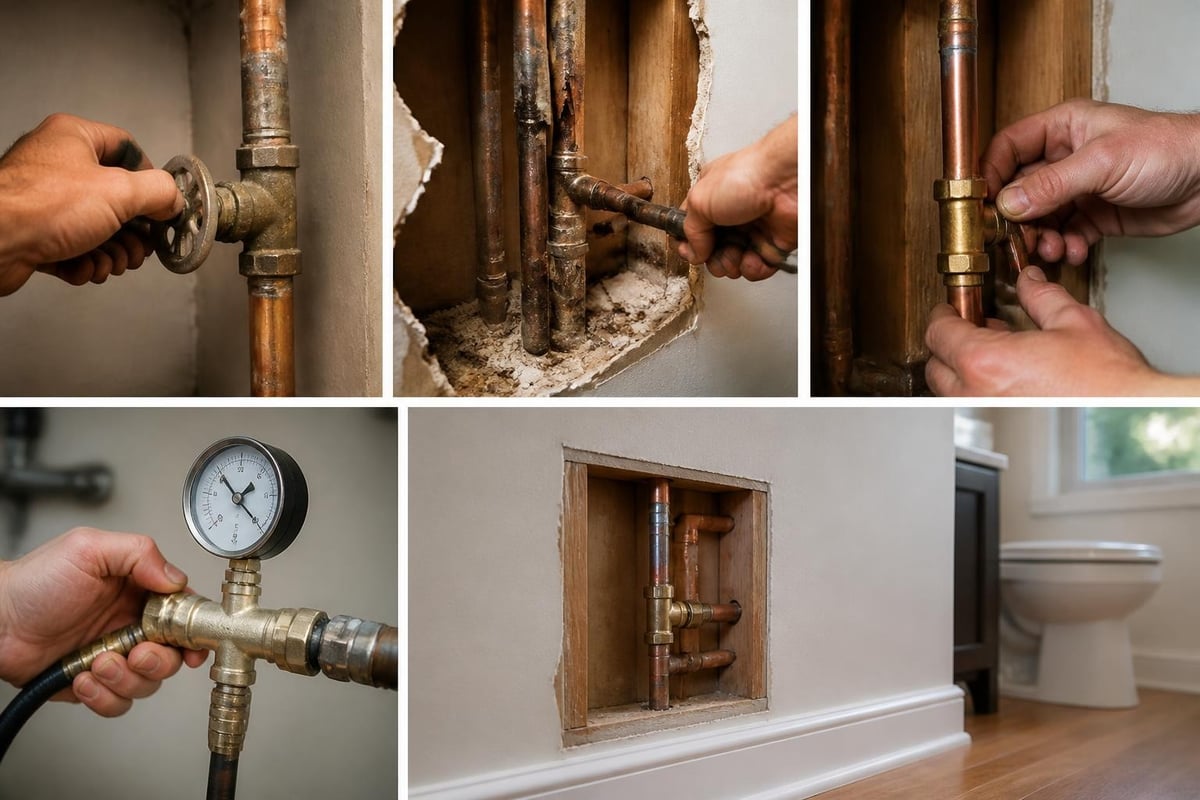
When pipes corrode or develop pinhole leaks, affected sections often require replacement. Copper and PEX (cross-linked polyethylene) are standard replacement materials in Australian residential plumbing. PEX offers flexibility, corrosion resistance, and freeze tolerance, making it increasingly popular in Sydney installations. Homes with a continuous-flow unit face similar issues, and our guide to tankless water heater repair in Sydney covers those faults in detail.
The repair process involves:
- Isolating the affected pipe section by shutting off water supply
- Cutting out the damaged portion with appropriate tools
- Measuring and preparing replacement pipe
- Installing new pipe using compression fittings or soldering
- Pressure testing to ensure leak-free connections
In properties throughout Kingsgrove and Botany, older galvanised steel pipes sometimes require more extensive replacement. Once corrosion begins internally, multiple sections may be compromised. Plumbers often recommend replacing entire runs rather than patching individual leaks.
Concealed Leak Solutions
Leaks within walls, under slabs, or in otherwise inaccessible locations present unique challenges. Traditional repair methods require breaking through concrete, tiles, or wall materials to access pipes. Whilst sometimes unavoidable, modern techniques can minimise disruption.
Pipe relining creates a new pipe within the existing one. An epoxy resin coating is applied to the interior pipe surface, sealing leaks and preventing future corrosion. This trenchless technology works for certain drain and sewer applications, though it's not suitable for all situations or pipe types.
For slab leaks, plumbers may recommend repiping affected areas by routing new pipes through walls or ceilings rather than excavating concrete. This approach reduces demolition and restoration costs whilst providing new plumbing infrastructure.
Prevention Strategies and Maintenance
Proactive maintenance significantly reduces leak probability and extends plumbing system lifespan. Regular inspections and timely interventions prevent minor issues from escalating into major failures.
Routine Inspection Schedule
Establish a systematic inspection routine covering visible plumbing components. Monthly checks should include:
- Examining under sinks for moisture, corrosion, or loose fittings
- Testing taps for drips when fully closed
- Checking toilet tanks for silent leaks using food colouring tests
- Inspecting exposed pipes for corrosion, condensation, or damage
- Monitoring water pressure at various fixtures
Annual professional plumbing inspections provide comprehensive system evaluation. Qualified plumbers identify potential problems before they cause damage, checking components inaccessible to homeowners.
Pressure Management
Installing a pressure-reducing valve protects your plumbing system if mains pressure exceeds recommended levels. Optimal residential water pressure ranges between 350-500 kPa. Excessive pressure accelerates wear on fixtures, appliances, and pipe joints.
Expansion tanks accommodate pressure fluctuations in hot water systems. As water heats, it expands, creating pressure surges that stress pipes and fittings. Expansion tanks absorb this pressure variation, reducing strain on the system.
Water quality considerations affect pipe longevity:
| Issue | Impact | Solution |
|---|---|---|
| Hard water | Scale buildup, reduced flow | Water softener installation |
| Acidic water | Pipe corrosion | pH neutralisation system |
| High chlorine | Seal deterioration | Carbon filtration |
| Sediment | Valve damage | Whole-house filtration |
Temperature Protection
Whilst Sydney rarely experiences freezing conditions, occasional cold snaps can affect exposed pipes. Insulating pipes in unheated areas like garages or roof spaces prevents damage. Pipe insulation also reduces condensation that can be mistaken for leaks.
For hot water pipes, insulation improves energy efficiency by maintaining water temperature. This reduces the energy required to heat water and minimises thermal expansion stress on pipes.
Smart Technology Integration
Modern leak detection technology offers automated monitoring and rapid response capabilities. These systems provide peace of mind, particularly for properties left unoccupied for extended periods.
Flow-based leak detection systems install at the main water line, monitoring consumption patterns. Using algorithms that learn typical household usage, these devices identify anomalies suggesting leaks. When unusual flow is detected, the system alerts homeowners via smartphone notifications.
Point-of-use sensors placed near water heaters, washing machines, dishwashers, and under sinks detect moisture and trigger alarms. Advanced models integrate with smart home systems, automatically shutting off water supply when leaks are detected.
The American Water Works Association’s technical reports provide extensive research on water loss control technologies applicable to residential settings. Their findings demonstrate how early leak detection reduces water waste and prevents property damage.
Benefits of automated leak detection include:
- 24/7 monitoring without manual intervention
- Immediate alerts enabling rapid response
- Automatic water shutoff preventing catastrophic damage
- Usage data helping identify inefficient fixtures
- Reduced water bills through quick leak identification
Installation costs have decreased significantly as these technologies become mainstream. Many systems are designed for DIY installation, though professional setup ensures optimal sensor placement and system calibration.
Environmental and Economic Impact
The consequences of unaddressed plumbing leaks extend beyond individual properties. Water conservation has become increasingly critical as urban populations grow and climate patterns change.
A single dripping tap losing one drop per second wastes approximately 15 litres daily, totaling 5,500 litres annually. Multiply this across thousands of properties, and the cumulative water loss becomes substantial. The Building America Solution Center’s resource guide quantifies how common fixture leaks collectively waste billions of litres across Australia each year.
Sydney's water costs make leak prevention economically sensible. Current water rates, combined with sewerage charges calculated on water consumption, mean that leaked water incurs double costs. A moderate leak wasting 100 litres daily costs hundreds of dollars annually in combined water and sewerage charges.
Property Value Protection
Chronic leaks damage building structures, potentially affecting property values. Water damage to framing, flooring, and foundations requires expensive remediation. Mould issues necessitate specialist treatment and can deter potential buyers.
Insurance implications matter too. Properties with leak damage history may face higher premiums or coverage restrictions. Some insurers now require leak detection systems for older properties or those previously claiming water damage.
Seasonal Considerations for Sydney Properties
Sydney's climate presents specific challenges and opportunities for leak prevention. Summer heat can affect pipe materials, particularly plastic components exposed to direct sunlight. UV degradation weakens these materials, increasing failure risk.
Winter, whilst mild compared to other regions, still brings temperature fluctuations. Overnight lows occasionally approach freezing in western suburbs, affecting exposed pipes. Morning temperature rises cause expansion that can stress weakened joints.
Storm season requires attention to stormwater and drainage systems. Heavy rainfall overwhelms inadequate drainage, potentially flooding properties or causing water to enter through compromised building envelopes. Whilst not traditional plumbing leaks, these issues require plumbing expertise to resolve.
Seasonal maintenance priorities:
- Summer: Inspect exposed pipes for UV damage, check irrigation systems, monitor water pressure
- Autumn: Clean gutters, inspect downpipes, prepare drainage systems for wet season
- Winter: Insulate exposed pipes, check hot water systems, inspect for condensation issues
- Spring: Comprehensive system inspection, test pressure relief valves, check outdoor taps
Protecting your Sydney home from plumbing leak damage requires vigilance, regular maintenance, and prompt professional intervention when issues arise. By understanding common causes, recognising warning signs, and implementing preventive measures, homeowners throughout Botany, Kingsgrove, Mascot, and surrounding areas can minimise risks and avoid costly repairs. When you discover a leak or suspect hidden water loss, experienced professionals can quickly diagnose and resolve the problem with minimal disruption. Contact Better Flow Plumbing for reliable leak detection and repair services backed by over 25 years of Sydney plumbing expertise.


